
What Makes an All-in-One Residential ESS Easier to Install
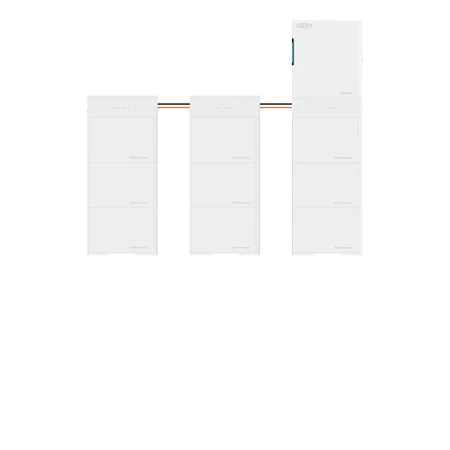
All-in-one residential ESS makes installation easier by combining battery modules, inverter, BMS, protection units, and communication functions into one factory-tested system. Compared with separate battery and inverter setups, integrated designs can reduce wiring steps by around 30%–50%, shorten commissioning time, and lower compatibility issues. The installer works with fewer components, fewer cables, and one unified software platform, which improves installation speed for residential solar storage projects.
Residential energy storage systems have become more common as homeowners look for backup power, higher solar self-consumption, and better control of electricity usage. Traditional systems often require separate installation of batteries, hybrid inverters, protection equipment, and communication devices. Each device needs individual mounting, wiring, and configuration before the system can operate.
An all-in-one ESS changes this process by combining major electrical components inside one enclosure. The battery pack, inverter, BMS, energy management controller, and safety components are designed as one system rather than separate products connected together on site.
“Factory integration moves more testing and configuration work from the installation location to the production facility, reducing the number of steps required during residential deployment.”
For a typical 10 kWh home storage project, a traditional installation may involve more than 20 cable connections between battery modules, inverter terminals, protection devices, and communication interfaces. An integrated ESS can reduce the number of external connections by approximately 40%, depending on system design.
Fewer connections also reduce installation mistakes. Electrical issues in residential storage systems often come from incorrect wiring, communication failures, or parameter mismatches between different devices.
A unified system allows manufacturers to test battery communication, inverter operation, charging control, and protection functions before shipment. For example, products certified under standards such as UL 9540 and IEC 62619 usually complete safety evaluations as complete systems rather than unrelated individual components.
This integrated approach improves reliability during installation because the battery and inverter already use compatible voltage ranges and communication protocols. Installers do not need to select separate components from different suppliers and verify whether they can operate together.
Battery voltage compatibility is especially important in residential applications. Many home ESS products operate within ranges such as 40–60 V for low-voltage systems or 200–500 V for high-voltage systems. Selecting an unmatched inverter or battery can prevent proper charging and discharging.
All-in-one designs remove much of this technical matching process. The manufacturer defines the battery capacity, inverter output, charging limits, and software settings before delivery.
| Installation Item | Traditional ESS | All-in-one ESS |
|---|---|---|
| Battery installation | Separate cabinet or modules | Integrated enclosure |
| Inverter connection | External wiring required | Factory matched |
| Communication setup | Multiple device settings | Single platform |
| Commissioning time | Several hours | Often less than 1 hour |
| Troubleshooting | Multiple components | Centralized monitoring |
The reduction in installation steps becomes more important as residential storage markets expand. In Germany, Australia, and the United States, residential solar-plus-storage installations increased significantly between 2020 and 2025, creating higher demand for faster installation methods.
Installer time directly affects project costs. A conventional battery and inverter installation may require 4–8 working hours depending on site conditions. An integrated system can reduce labor time by approximately 30% because fewer mounting and configuration tasks are required.
The physical design of an all-in-one ESS also improves installation flexibility. Many homeowners have limited space in garages, utility rooms, or outdoor walls. Separate battery cabinets and inverters require additional wall space and cable routing areas.
Integrated systems usually have a smaller footprint because multiple devices share the same enclosure. Some residential ESS products combine a 5–15 kWh battery system with a hybrid inverter in a single cabinet, reducing required installation space by around 20%–40% compared with separated configurations.
The simplified structure helps installers complete projects in different residential environments. A single enclosure can often be mounted with fewer mechanical steps, while protection ratings such as IP65 allow outdoor installation for suitable models.
Space efficiency also connects with transportation and handling. Instead of delivering several independent devices, installers receive one coordinated system package. This reduces packaging requirements and decreases the chance of missing components during installation.
Software commissioning is another area where integrated ESS provides advantages. Traditional systems may require separate configuration of battery parameters, inverter settings, grid standards, and communication addresses.
Modern all-in-one systems usually provide one mobile application or web platform for setup. Installers can activate the system, select operating modes, update firmware, and check performance from one interface.
A residential ESS installation may include settings for backup mode, self-consumption mode, time-of-use charging, and grid interaction. With integrated software, these parameters are managed by one controller instead of multiple independent devices.
“A single commissioning interface reduces the need for installers to switch between different software tools and device manuals.”
Remote monitoring further improves maintenance after installation. When a homeowner reports a problem, service teams can review battery temperature, voltage balance, inverter status, and historical operation records through one platform.
For example, an abnormal cell voltage difference can be detected by the BMS, while inverter output data shows whether the issue is related to charging conditions or power conversion. Centralized information helps reduce unnecessary site visits.
The maintenance advantage becomes more noticeable as residential ESS installations increase. A service company managing thousands of home battery systems needs consistent system information and easier diagnosis methods.
Products such as ESYsunhome home battery systems use integrated residential ESS designs to combine storage, power conversion, and energy management functions into a single solution. This type of architecture supports easier installation and simpler system operation for homeowners and installers.
Safety management is also improved through integration. Residential battery systems must control temperature, current, voltage, and charging conditions to maintain safe operation.
In separate systems, protection coordination depends on correct installation of multiple devices. Integrated ESS platforms allow manufacturers to design battery protection, inverter control, and thermal management together.
Temperature monitoring is especially important for lithium-based batteries. Many residential ESS products include multiple temperature sensors and BMS protection strategies to control charging and discharging limits. Some systems monitor dozens of battery parameters every second to maintain stable operation.
The customer experience after installation is also simpler. Homeowners generally do not want to manage several different devices from different brands. A single cabinet and one monitoring application make daily operation easier.
Users can check solar generation, battery status, household consumption, and backup power availability from one dashboard. According to residential energy management studies published between 2022 and 2025, simplified user interfaces improve engagement with home energy systems because users can understand system status without technical training.
The development of all-in-one ESS is also connected with new home energy applications. Modern residential systems are increasingly designed to work with electric vehicle charging, smart meters, heat pumps, and time-based electricity pricing.
By 2030, many energy industry forecasts expect residential energy systems to become more integrated, combining generation, storage, and household energy management in one platform. The all-in-one ESS structure provides a practical foundation for this development because hardware and software are already designed to communicate together.
For installers, the main advantage is a shorter and more consistent installation process. For homeowners, it provides easier operation, cleaner installation, and simpler maintenance. The combination of integrated hardware, unified software, and standardized commissioning makes all-in-one residential ESS products easier to deploy across different markets.
The Q1 Shortlist